Walk into a store that does vehicle glass fix and you’ll see the equal ritual play out: a tech cleans a chip, units a bridge, injects a clear resin, then pulls out a UV gentle. Ten minutes later, the blemish is faint and the glass is in a position for the road. It seems to be sincere. It isn’t. The chemistry within that clear drop determines no matter if a rock chip restore holds through a snow fall, a barren region summer time, and 70 mph street chatter, or fails with a spidering crack in your commute.
Resin is the unsung hero of windshield chip fix and windshield crack restoration. If you're thinking that of a windshield as a laminated composite that desires to stay bonded and pressure-balanced, resin acts just like the surrogate glass that re-links fractured edges and restores load paths. When the resin is wrong for the damage, the ecosystem, or the course of, the fix may possibly appear high-quality lately and fail quietly in six months. That is why the easiest techs obsess approximately resin selection, managing, and treatment just as a whole lot as they do about instrument prep.
What resin correctly does in the glass
A windshield is laminated glass: two sheets of go with the flow glass with a PVB interlayer fused lower than warm and force. When a rock hits, it creates a cone-shaped fracture inside the outer lite, usally with microcracks radiating from the affect level. That little crater traps air, moisture, and avenue grit. The job of resin is to displace that illness, rainy each and every fracture face, and cure into a forged with optical and mechanical homes close sufficient to glass that strain can stream throughout the ruin with out concentrating on the tip of a microcrack.
Three jobs, one drapery:
- Wetting: Proper resin has low viscosity and the perfect floor pressure to wick into slim fissures which can be measured in microns. Capillary action does a great deal of the paintings, however most effective if the resin is matched to the fracture geometry. Bonding: Once inner, resin need to adhere to silica-prosperous glass surfaces and now and again to the PVB facet if the holiday reaches the laminate. The bond ought to survive thermal biking and vibration. Stabilizing optics: Finished maintenance should still mix with the encircling glass. Perfect invisibility is a fable, yet an incredible resin reduces faded scatter and the distracting sparkle that poorly filled chips display in daylight.
If any step is compromised, you get a restoration that looks cloudy, incorporates a visual department line, or, worse, grows into a crack at the 1st monstrous temperature swing.
The spine chemistry: acrylates, not epoxies
Nearly all respectable windshield repair resins are acrylic-primarily based, specifically urethane acrylates, with photoinitiators that reply to UVA pale round 365 to 405 nm. Epoxies are typical in widespread adhesives, yet they’re too viscous and slower to remedy lower than UV. Acrylates carry three big merits for automobile glass:
- Fast, controllable medication: A handheld UVA lamp can fully polymerize a thin fill in a few minutes. Techs can degree the healing, which allows unlock trapped microbubbles. Tunable viscosity and modulus: Manufacturers mixture oligomers and monomers to in attaining waft grades for bullseyes versus tight star breaks, and hardness grades for small chips as opposed to lengthy cracks. Optical compatibility: Properly formulated acrylates can approximate the refractive index of glass heavily adequate to scale back seen distortion while carried out successfully.
The photoinitiators inside those strategies are sensitive to gentle leakage, that is why fine resins deliver in amber vials and techs prevent them capped until eventually the moment of injection. A few minutes of accidental solar exposure while prepping can leap a partial gel, and you gained’t see it unless the resin refuses to wick each of the manner into a tight leg.
Viscosity grades and why they matter
Ask ten techs what number viscosities they inventory and you’ll listen every part from two to 5. In perform, you favor at the very least a low and a medium grade, and optionally a excessive-viscosity pit filler.
Low viscosity, in general within the 15 to 25 cP fluctuate at room temperature, wicks into tight superstar legs and microcracks. It flows quickly, which facilitates when ambient temperature is low and the glass auto glass repair Ayden is pinching the crack closed. The change-off is that it will drain again out of bigger voids unless you safeguard beneficial power and cap pits promptly.
Medium viscosity, on the whole 35 to 60 cP, provides more effective manipulate in bullseyes and mixtures the place you desire to fill a much bigger cone devoid of flooding. It’s a pretty good commonplace-objective grade for such a lot mobilephone chip restore work since it’s forgiving as temperatures and humidity substitute thru an afternoon of provider calls.
High viscosity, generally labeled as pit resin, isn't really for structural bonding throughout the fracture. It’s used to cap the floor pit after the inner fill is comprehensive. Think of it as a protecting hardcoat that restores surface smoothness for wiper blades and reduces glare. Pit resins treatment hard and varnish cleanly with a razor while set under a curing tab.
Techs routinely try to do the whole thing with a single mid-grade resin to retailer inventory. That works except a good, bloodless megastar refuses to fill, or a tremendous bullseye assists in keeping draining and trapping bubbles. Carrying at the least two circulate grades pays for itself in fewer callbacks.
Hardness, flexibility, and the everyday thermal grind
A windshield lives in thermal whiplash. Early morning frost, defrost heat blasting the reduce edge, midday solar, a shadowed parking space, then a cold night. The coefficient of thermal enlargement for glass differs from the cured resin, so the polymer should flex adequate to experience those waves with no debonding or cracking.
Manufacturers discuss approximately Shore hardness and modulus. A very tough resin might provide high-quality polish and believe glassy, but if it’s too inflexible in %%!%%662deba2-0.33-48ce-9ad3-40b7d7289689%%!%% crack repair, it may possibly print a faint line and ultimately release on the endpoints. A very mushy resin could continue to exist expansion neatly, but it could abrade less than wipers and choose up dirt. The sweet spot varies with local weather and injury type. In northern climates with deep seasonal swings, many execs decide on relatively more bendy structural resin for crack fills and a more difficult pit resin for the floor.
UV absorbers and stabilizers also count number. Cheap resins can yellow below UV exposure, above all on vans that sit down outdoors. Yellow capability greater visual repairs and available embrittlement through the years. If you’ve ever observed an previous restore that feels like a honey-coloured oval, you’ve viewed a resin that lacked suited UV stabilization or was once overheated for the duration of remedy.
Moisture, illness, and why dry time saves you money
Moisture is enemy no 1 all over a rock chip restoration. Water clings to fracture faces, reduces wetting, and vaporizes underneath cure, leaving bubbles or a milky haze. Dirt is enemy number two, yet moisture makes dirt worse as it is helping effective highway grime stick deep contained in the crack.
Real-world reminder: a summer season thunderstorm can soak a chip in seconds. If you arrive to a rainy windshield, you either dry it or reschedule. Heat works. I stay a butane torch and a low-temperature warm gun. The purpose is to softly hot the glass, now not cook dinner it. A few passes at eight to 10 inches away are adequate to pressure off moisture with out overexpanding the crack. Watch for a refined swap inside the fracture appearance because the water flashes off. Overheat it and you’ll watch the big name legs march an alternate sector inch, which turns a five-minute repair into a raffle.
Alcohol-established preps guide get rid of oils, but don’t rely on them to displace water contained in the legs. Vacuum cycles on your injector do greater for water and air removing than any solvent wipe on the floor. If you've gotten a blend wreck jam-packed with avenue filth, cautious probing with a carbide scribe under magnification can clean the pit. Don’t over-increase the pit; the pit resin wishes edges to grip.
Vacuum, force, and the choreography of fill
Tools be counted, but methodology things extra. For a common celebrity destroy, I set the bridge dependent, seal the injector, and run a vacuum cycle to tug out air and moisture. Then I introduce low-viscosity resin and go to a strain cycle. Watching the legs is relevant. They should always cross from dark to clean as resin advances. If a leg stalls, I will pulse among moderate vacuum and drive as opposed to cranking down pressure. Too much rigidity can motive a microburst that pushes resin into the PVB or forces air to the endpoints wherein it will get trapped.
Temperature modifications are your best friend in the event you be aware of a way to use them. A small quantity of light warm for the duration of a vacuum segment expands trapped air, which the vacuum then evacuates. Turn off the heat, the cracks contract a bit of, and the resin can boost. Timing this dance prevents having to drill secondary facets aside from in obdurate sub-floor legs.
For long crack restore, keep an eye on is the whole thing. I desire a somewhat extra versatile structural resin and a glide methodology with a capillary flow along the crack at the same time lightly flexing the glass from interior the use of a bone device or a thumb on the protected distance from the end. Never flex at the tip. Keep the end cool and, if needed, use a crack stop process with a micro drill if the crack indicates lively propagation. Keep your UVA light shielded and medication in ranges, leapfrogging alongside the filled sections to lock them earlier than relocating on.
Curing faded: depth, wavelength, and distance
Cure isn’t well-nigh pointing a purple flashlight and ready. Photoinitiators have top sensitivity bands. Most specialist resins therapy preferable beneath UVA around 365 to 395 nm. The lamp’s depth on the resin surface is dependent on the pale’s output and distance. Double the gap, and one can minimize depth to 1 / 4. If your gentle lives along with your methods, fee it with a radiometer every few months. LEDs age. Lenses get cloudy. A tired mild provides minutes to both activity or leaves undercured resin at the margins.
Shaded curing tabs rely. They store oxygen off the floor and shape the pit resin even though blocking off stray mild from starting a cure earlier the inside fill is whole. Stage treatment the structural resin first, then cap and medication the pit. When removal the tab, slice flat with a clear razor at a shallow perspective. A fast polish with a plastic-dependable compound can diminish best haze on the pit surface, surprisingly on dark vehicles in which glare reveals each flaw.
Overcuring may well be a complication for those who blast a sizzling lamp tight to the glass on a summer time day. Excess heat can print microstress round the fix. Keep the lamp relocating reasonably or deliver it a small standoff and lengthen the time rather then cooking the spot. Most chips healing structurally inside 2 to four mins below a healthy lamp, and pit resin finishes in about the equal window.
Optical performance: refractive index and reality
No resin suits glass perfectly, and the laminated layer complicates optics further. The refractive index of soda-lime glass sits round 1.52. Quality fix resins goal that area. If the index is simply too low or too top, you’ll see shimmer or a faint halo across the restore, relatively while daylight hits at a shallow perspective. Matching index is simply one thing. Smooth fracture faces from a vintage bullseye mask better than a dusty mix damage with beaten glass shards seeing that scatter dominates inside the latter, in spite of the resin.
Expectations matter. On a clear bullseye the scale of a dime, a terrific fill can go away a mark you desire to seek for. On a celebrity with five legs and an older impression factor, that you may gain structural steadiness and safety at the same time as nonetheless leaving a ghost. I tell prospects precisely that, with examples. When human beings take note the physics, they decide the restore particularly and fully grasp the craft.
Safety and windshield integrity after repair
There’s a fable that any crack within the line of sight or close the edge calls for a replacement. The fact has nuance. Safety is dependent on smash size, place, and even if the smash compromised the PVB or each lites. If a crack runs into the edge and displays illness or flexes in case you press lightly from internal, restoration turns into much less trustworthy. If the have an impact on is right now in digicam view for ADAS systems and would distort sensor input, substitute could possibly be wiser to stay clear of calibration considerations.
When a resin restore is extraordinary and performed excellent, it restores plenty of the glass’s capacity to carry rigidity in the community. It does no longer fix full factory force, yet it stops crack boom and maintains the windshield’s function in airbag guide and roof overwhelm resistance. I’ve inspected fleet automobiles years after maintenance that still appear strong across seasons. That durability doesn’t ensue by accident.
Mobile chip repair realities
Mobile chip repair is a present to users, and a minefield for techs. On a driveway you face wind, sun, grime, and asymmetric surfaces. Resin managing turns into extra critical open air.
I bring a resin package in a cooled case for the time of summer season. Heat reduces resin viscosity, that could guide circulate, yet it also hastens untimely curing lower than stray UV and lowers working time. I shade the restore location with a hood and, while conceivable, point the auto so the solar sits in the back of the windshield as opposed to blasting the glass right away. Wind incorporates airborne dirt and dust into your pit the minute you remove the bridge. Work intentionally and cap immediate.
Cold days carry one of a kind headaches. Glass tightens, famous person legs pinch shut, and moisture condenses inside the fracture. Gentle preheat and coffee-viscosity resin turned into needed. If the patron just ran the defroster, the curb band of the windshield will also be hot whereas the properly is bloodless. That gradient can pressure a crack should you clamp down force inside the mistaken region. Touch the glass with the again of your hand. Feel the gradient. Work from the thermally impartial center whilst doable, or normalize the space with light heat earlier you soar.
When to drill, and when to depart it alone
Drilling has an area, however it’s more surgical than many imagine. I drill after I desire to create a floor channel right into a cussed sub-floor leg that gained’t settle for resin and is susceptible to walking. I use a micro bit, preserve the perspective shallow, and stop as soon as I experience the drop into the outer layer. The gap must always be simply tremendous adequate for capillary access. Overdrill and you create a noticeable scar and a long run weak point.
For lengthy cracks, a cease drill on the tip can arrest expansion, but it will not be a replacement for correct fill and staged cure. If the crack is actively working at some stage in flex, discontinue-drill first with the light prepared to remedy the new endpoint quickly after resin enters. Done suitable, you switch a living crack right into a quiet seam that one can fill calmly.
Real numbers from the field
I retailer notes. Across two years and approximately 1,four hundred upkeep:
- Reworks dropped from approximately four percent to at least one.5 percentage once I switched to a two-viscosity method and delivered vacuum cycles on each and every superstar holiday, not just the cussed ones. Average on-website time consistent with rock chip repair settled round 18 to 22 mins, inclusive of setup and cleanup, with maximum of the variance pushed via climate keep watch over other than the fill itself. The handful of screw ups I tracked to resin had been all temperature-related. In two cases, a clouded look advanced every week later after a chilly snap. Both were rushed in drizzle with no actual drying. That lesson caught.
These aren’t lab results. They are simple guides that tell how I p.c. the van and how I dialogue to customers about what to expect.
Cost, brand possible choices, and fake economies
Resin is a small line object when put next to windshields, but it’s no longer negligible. Quality resins range from more or less 20 to 60 greenbacks according to part-ounce, with pit resins on the scale down facet and specialty crack resins on the upper. Cheaper bottles exist. The hidden prices present up as longer cure times, yellowing, or poor wetting in tight fractures. If your rework price climbs or your ordinary time in step with process swells considering that you combat the fill, that “discount rates” evaporates in misplaced bookings.
I compare resins on four criteria: wetting in chilly conditions, readability after treatment underneath angled sunlight, medication pace beneath my lamp at a customary distance, and steadiness after two weeks of parking space UV. Results fluctuate by using weather. A resin that feels best suited in Phoenix can believe too skinny in Duluth. Pilot with small bottles throughout a season earlier you dedicate.
Training the eye and the hands
The the best option resin won’t keep a rushed hand. Two practice behavior repay for each and every tech:
- Inspect with a jeweler’s loupe below area gentle until now and after fill. What looks complete to the bare eye generally unearths a dry corner or a microbubble at 10x. Train your self to look it and to determine how force or slight heat alterations the fill habits. Film your possess repairs on intricate chips. Review where you paused, when a leg cleared, how the resin front moved. Patterns emerge. You’ll learn how to are expecting stubborn legs and to alter early.
I’ve expert new techs who desired a list for each chip fashion. There are styles, but every one effect is detailed, shaped via perspective, speed, temperature, and the microstructure of the glass. Mastery comes from marrying the chemistry to the lived feeling of how resin behaves on assorted days.
Where resin technological know-how is nudging forward
A few incremental innovations are worthy looking at:
- Low-scent, low-migration photoinitiator packages that curb skin and eye inflammation for techs who work all day below lamps. Resin structures tuned for swifter partial healing procedures that lock the fill in 15 to 30 seconds with no overheating, precious for long crack staging on hot days. Packaging that meters drops accurately and decreases illness possibility, which includes unmarried-use micro-ampoules for fleet jobs where consistency outranks expense.
What hasn’t replaced is the center: a UV-cured acrylate method that balances drift, bond electricity, and optical readability. We’re now not shopping for a miracle polymer. We’re refining the are compatible among chemistry and container follow.
For drivers deciding on restore over replacement
Deciding between automobile glass restore and a full windshield switch is set probability, timing, and vehicle methods. If the smash is small, faraway from the edges, and hasn’t pierced the inner lite, fix is normally rapid, less expensive, and friendlier to the factory seal that helps to keep your windshield bonded to the frame. Many insurers waive deductibles for rock chip restore since a 20-minute fix prevents a 900-greenback substitute and a calibration consultation for ADAS cameras.
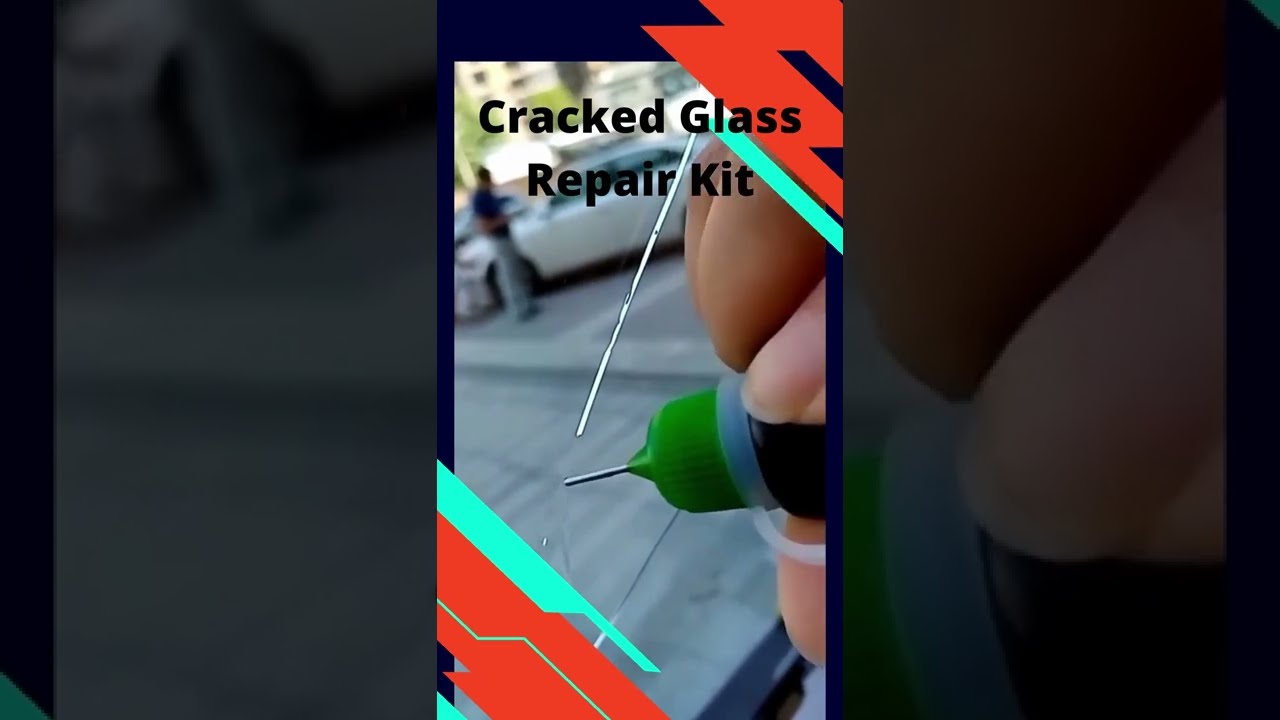
Mobile chip fix makes the decision less difficult. A useful tech can meet you at paintings, protect the glass from the solar, and restoration force earlier than that chip creeps right into a foot-lengthy crack. If you wait, heat and vibration will do their paintings. A restore window that used to be huge in the present day tightens because the destroy grows, and resin will become a bandage other than a fix.
Ask two questions while booking: what resin grades do you hold, and the way do you maintain rainy or chilly glass. If the answer is one bottle for all and a shrug at weather, keep having a look. The precise resin in the proper fingers turns a nuisance right into a non-tournament.
Why the facts count number for fleets and familiar drivers
For fleets, the calculus is brutal. Downtime and safeguard metrics subject. A development of negative upkeep that haze or fail underneath winter load can instruct up as driver proceedings and unplanned replacements. Standardize your spec: require vacuum-able bridges, two-viscosity structures, UV-calibrated lamps, and documented medication times. Your remodel rate will drop. Your drivers will discontinue taping paper over the glare spot till the following service day.
For everyday drivers, resin technologies is the factor you on no account concentrate on until eventually a stone pops off a dump truck and leaves a crater in your view. A strong fix just isn't success. It is chemistry matched to harm, climate, and task. Respect these realities and you get a windshield that quietly does its task for years.
The work is humble and meticulous. Clean pit, draw down vacuum, pulse the strain, coax the resin into the smallest leg, carry in the easy, and watch the fracture fade. You learn how to pay attention resin, in a method, inside the way it strikes and clears and sets. When it’s true, the glass appears total once again, and the car leaves more secure than it arrived. That’s the degree that counts.